
Fall Home Invaders in Central Illinois: Boxelder Bugs, Lady Beetles, and Stink Bugs
If you live in Morton, Peoria, Bloomington-Normal, or anywhere in the Tri-County, you've seen the fall ritual: clusters of little bugs soaking up the afternoon sun on the warm side of your house. As the Central Illinois weather cools, boxelder bugs, Asian lady beetles, and stink bugs start hunting for a warm place to spend the winter, and your home is high on their list.
In this guide, we'll help you tell these three fall invaders apart, explain why they show up when they do, and walk through simple steps to keep them outside where they belong.
Meet Central Illinois' Fall Home Invaders
Boxelder bugs. About half an inch long, black with orange or red markings. They spend the summer feeding on boxelder, maple, and ash seeds, then gather on sunny walls once fall arrives. They’re harmless, but they travel in crowds.
Asian lady beetles. Often mistaken for native ladybugs, but larger and far more determined to get indoors. Look for the black M-shape just behind the head. Their color ranges from yellow to deep red. They can give a light nip and leave a stain if handled.
Brown marmorated stink bugs. Shield-shaped and brown, with white bands on the antennae and along the edges of the wings. A newer arrival that's turning up across Central Illinois, including counties near the Tri-County. True to the name, they smell when squished.
Why They Show Up When the Weather Cools
These insects aren't looking to move in permanently. As the days shorten and nights cool, they instinctively hunt for a sheltered spot to overwinter, and a heated home beats a snowbank.
University of Illinois Extension notes they're drawn to the solar heat radiating off south- and west-facing walls on sunny fall afternoons. Once they're warming themselves on your siding, it's a short trip through a gap around a window, a torn screen, or a worn door sweep. Peak movement runs from September into October, so late summer is your window to get ahead of them.
Are Fall Invaders Dangerous?
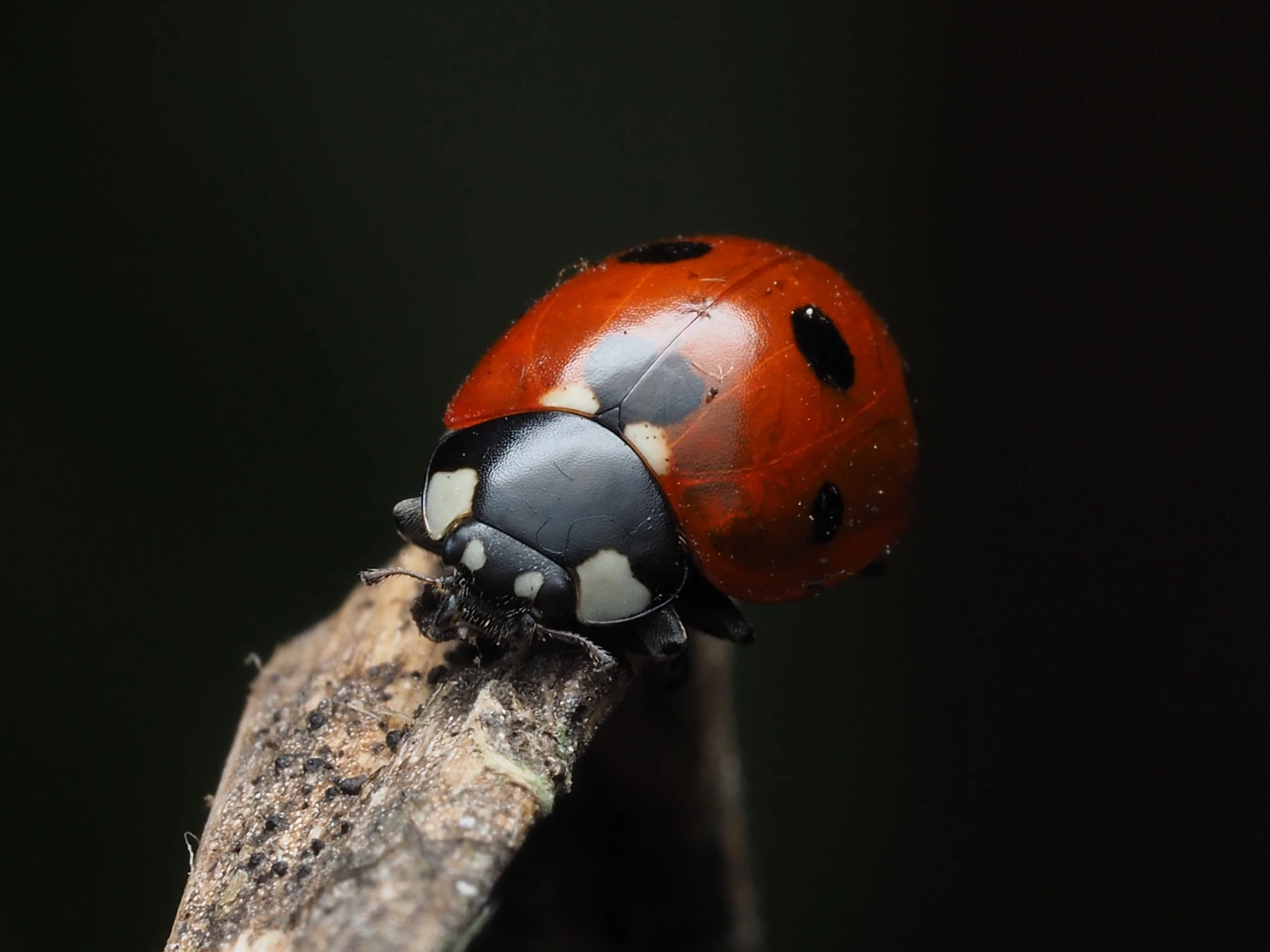
Here's the reassuring part. Boxelder bugs, lady beetles, and stink bugs don't bite in any serious way, don't damage your home's structure, and don't typically breed indoors. They can't chew through wood like termites or spread disease the way some pests do.
The trouble is mostly the nuisance: the sheer numbers, the odor, and the stains. Resist the urge to squish them. Crushing a stink bug or a lady beetle releases a foul smell and can stain walls and fabric. A vacuum is the better tool once they're inside.
How to Keep Fall Invaders Out
The best defense is sealing them out before they arrive. A few high-impact steps:
Seal the gaps. Caulk around windows, doors, pipes, and utility lines, and use expanding foam for the larger openings.
Check the entry points. Repair torn window screens, replace worn door sweeps and weatherstripping, and screen off attic and gable vents.
Fix the siding. Loose or damaged siding gives bugs an easy path behind your walls.
Time it right. Do this work in late summer or early September, before the first cold snap sends them looking for shelter.
Already seeing them inside? Vacuum them up, empty the canister promptly, and skip the store-bought sprays, which rarely reach where these bugs hide.
When to Call in the Pros
If the invaders are showing up faster than you can seal them out, a professional exterior treatment timed for early fall can knock down the numbers gathering on your walls before they slip inside. That's where we come in.
At Markley's Pest Elimination Services, we've protected Central Illinois families since 1984, and our local technicians know exactly when and where these seasonal pests move. We'll inspect your home, point out the gaps that matter, and recommend a plan, with no pressure and no upsell.
Get Ahead of Fall Pest Season
✔ Free inspections ✔ Local, experienced technicians since 1984 ✔ No-pressure recommendations ✔ Long-term protection plans
Call 309-263-0341 or request your free inspection online today, and keep this year's uninvited houseguests where they belong: outside.
